




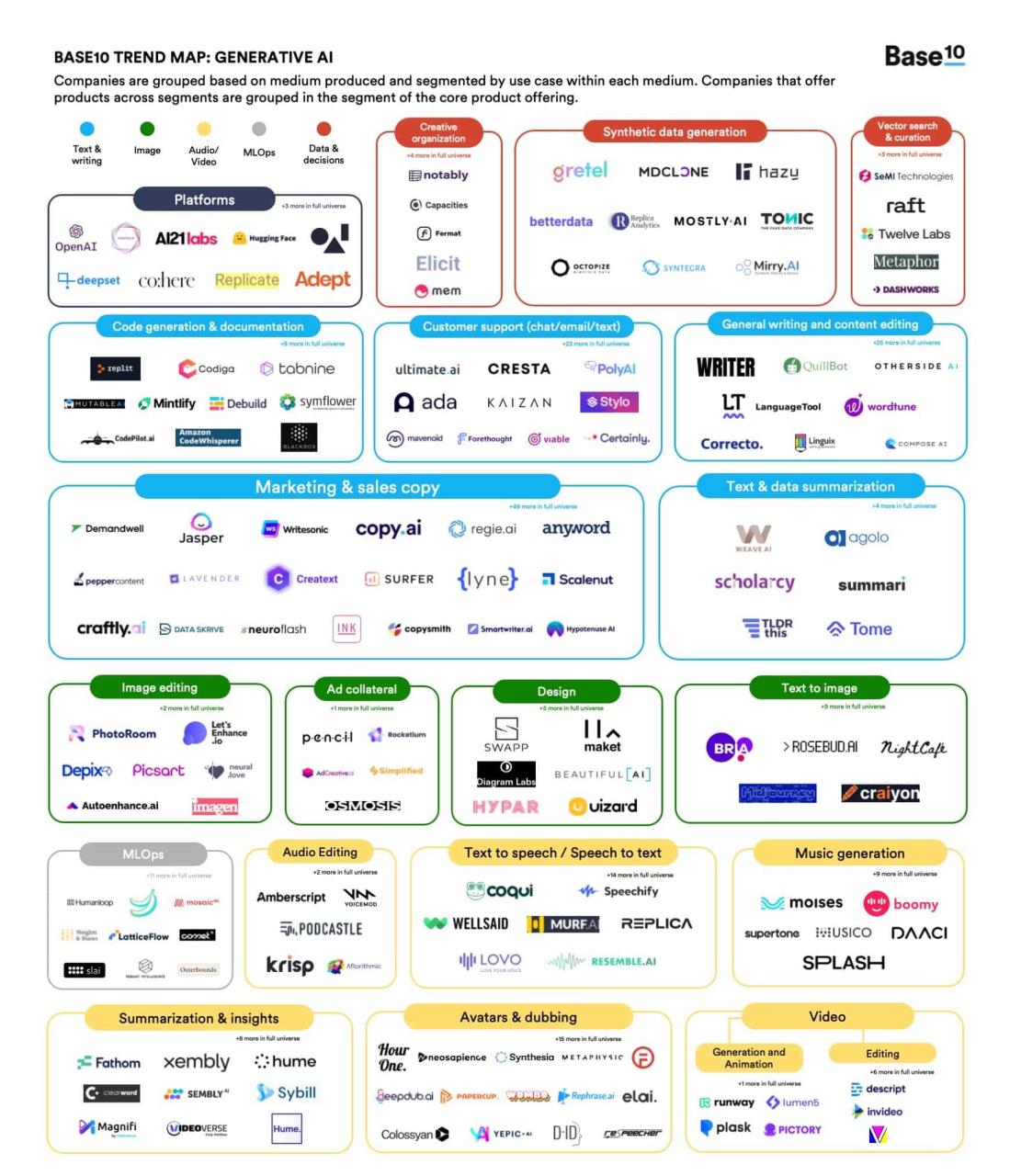


High-quality, automated content production solutions leverage artificial intelligence to generate various text formats, including articles, blog posts, social media updates, and marketing copy. These solutions offer features like grammar and style checking, topic suggestion, and content repurposing. For example, an AI writing tool can transform a detailed blog post into concise social media snippets optimized for different platforms.
Streamlined content production through automation offers significant advantages, including increased efficiency, reduced costs, and enhanced content consistency. Historically, manual content creation has been resource-intensive, demanding significant time, effort, and skilled writers. Automated solutions address these challenges, enabling organizations and individuals to scale content output while maintaining quality and relevance. This empowers businesses to reach wider audiences and strengthen brand presence.
The following sections will explore specific categories of AI-powered content creation tools, examining their functionality, advantages, and potential applications. Specific tools within each category will be highlighted to provide a practical understanding of the current landscape.
1. AI Writing Assistance
AI writing assistance forms a cornerstone of leading content creation tools. Its impact stems from automating various writing tasks, from generating initial drafts and refining grammar to ensuring stylistic consistency and suggesting content improvements. This direct contribution to enhanced writing efficiency and quality establishes AI writing assistance as a critical component of optimal content creation solutions. For example, tools offering grammar and style suggestions can significantly reduce editing time, while AI-powered content generation features can accelerate the initial drafting process. This connection is fundamental to understanding how these tools enhance content creation workflows.
Consider the practical implications: marketing teams can utilize AI writing assistance to rapidly produce engaging copy for various campaigns, journalists can leverage it to generate accurate and concise news reports, and content creators can explore new creative avenues by experimenting with different writing styles and formats suggested by AI. This broad applicability across diverse professional fields underscores the practical significance of integrating AI writing assistance into content creation strategies. The ability to scale content output while maintaining quality and consistency represents a significant advantage in todays fast-paced digital landscape.
In summary, the relationship between AI writing assistance and effective content creation is symbiotic. AI writing assistance empowers content creators with advanced tools that enhance efficiency and quality, enabling them to meet the increasing demands of content production. While challenges such as ensuring accuracy and maintaining ethical considerations remain, the potential of AI writing assistance to transform content creation workflows is undeniable. The future of content creation undoubtedly hinges on the continued development and integration of these powerful tools.
2. Automated Content Generation
Automated content generation represents a significant advancement in content creation, directly impacting the effectiveness and efficiency of the process. Leveraging artificial intelligence, these tools automate the creation of various content formats, from social media posts to articles and marketing copy, playing a crucial role in optimizing content workflows and maximizing output.
-
Data-Driven Content Creation
Automated tools utilize data analysis to identify trends, keywords, and audience preferences, informing content creation strategies and ensuring relevance. For instance, analyzing website traffic data can reveal popular topics and inform the generation of blog posts or articles tailored to audience interest. This data-driven approach enhances content effectiveness and optimizes its reach.
-
Scalability and Efficiency
Automation significantly increases the volume of content that can be produced within a given timeframe. This scalability is crucial for organizations seeking to maintain a consistent online presence across multiple platforms. For example, a single blog post can be automatically repurposed into multiple social media updates, email newsletters, and other formats, maximizing reach and impact with minimal manual effort.
-
Content Personalization
AI-powered tools enable personalized content creation tailored to individual user preferences and behaviors. This personalization enhances user engagement and improves conversion rates. E-commerce platforms, for instance, can utilize automated content generation to create personalized product recommendations and targeted marketing campaigns, increasing sales and customer loyalty.
-
Content Quality and Consistency
Automated tools ensure adherence to predefined style guides and brand voices, maintaining consistency across all content outputs. This consistency strengthens brand identity and improves overall content quality. For example, tools can be configured to automatically format content according to specific style guidelines, ensuring uniformity across all published materials.
These facets of automated content generation demonstrate its integral role in optimizing content creation workflows and maximizing output. By leveraging data analysis, automation, and personalization, organizations can achieve greater efficiency, reach wider audiences, and enhance content effectiveness. Integrating these capabilities into content creation strategies is essential for remaining competitive in the current digital landscape.
3. Content Repurposing Capabilities
Content repurposing capabilities represent a crucial component of leading AI content creation tools. The ability to transform existing content into new formats and tailor it for different platforms maximizes reach and return on investment. This functionality reduces content creation time and resources while ensuring consistent messaging across various channels. For example, a long-form blog post can be repurposed into shorter social media updates, infographic scripts, or email newsletter excerpts, amplifying its impact across a wider audience. This interconnectedness between repurposing capabilities and effective content creation is fundamental to understanding the value proposition of AI tools.
Consider the practical implications for various content strategies. Marketing teams can repurpose webinar recordings into short promotional videos, training materials, and blog posts, maximizing the value of a single event. Similarly, sales teams can transform product demonstrations into concise social media clips and targeted email campaigns, driving lead generation and conversion. Repurposing capabilities also offer significant advantages for educational institutions, enabling them to transform lecture materials into online courses, study guides, and interactive learning modules. These practical applications highlight the versatility and efficiency gains offered by content repurposing features within AI content creation tools.
Effective content repurposing requires strategic planning and execution. Content creators must carefully consider the target audience, platform requirements, and desired outcomes when adapting content for new formats. While AI tools automate the transformation process, human oversight remains crucial to ensure quality, relevance, and contextual accuracy. Successfully integrating content repurposing capabilities into content creation workflows enables organizations to optimize resource allocation, expand content reach, and enhance overall content effectiveness. This strategic advantage positions content repurposing as a key driver of successful content strategies in the digital landscape.
4. SEO Optimization Features
Search engine optimization (SEO) features within AI content creation tools represent a critical link between content creation and online visibility. Effective SEO practices ensure content reaches its intended audience by improving search engine rankings. These features automate and streamline various SEO tasks, enabling content creators to optimize content for search engines effectively. This integration of SEO functionalities directly impacts content performance and contributes to successful content strategies.
-
Keyword Integration
AI tools assist in identifying relevant keywords and seamlessly integrating them into content. For instance, an AI tool might suggest related long-tail keywords for an article about sustainable living, increasing the likelihood of appearing in relevant searches. Effective keyword integration enhances organic search visibility and drives targeted traffic to online content.
-
Readability Analysis
Automated readability analysis ensures content is accessible and engaging for the target audience. Tools assess factors like sentence length, word complexity, and paragraph structure, providing recommendations for improvement. Enhanced readability improves user experience, reduces bounce rates, and positively impacts search engine rankings.
-
Content Structure Optimization
AI tools analyze content structure, suggesting improvements to headings, subheadings, and overall organization. A tool might recommend restructuring a blog post to incorporate more headings and bullet points, improving readability and search engine crawlability. Optimized content structure enhances user experience and facilitates search engine indexing.
-
Link Building Suggestions
Certain AI tools offer suggestions for internal and external link building, a crucial aspect of SEO. A tool might suggest relevant internal links to other pages on a website or identify authoritative external resources to link to, improving website authority and search engine rankings. Strategic link building enhances content credibility and strengthens online presence.
These integrated SEO optimization features within AI content creation tools empower content creators to produce high-quality, search-engine-optimized content efficiently. By automating keyword research, readability analysis, content structuring, and link building suggestions, these tools contribute significantly to improved search engine visibility, increased organic traffic, and ultimately, more effective content strategies. This connection highlights the importance of considering SEO functionalities when evaluating AI content creation tools.
5. Workflow Integration Potential
Seamless workflow integration distinguishes leading AI content creation tools. Effective integration streamlines content production processes by connecting various stages, from ideation and drafting to optimization and publishing. This interconnectivity minimizes manual effort, reduces errors, and enhances overall efficiency. For example, integrating an AI writing tool with a content management system (CMS) allows direct publishing of generated content, eliminating manual transfer and formatting steps. This direct impact on productivity highlights the importance of workflow integration as a key component of optimal content creation solutions.
Consider the practical significance of this integration for different content creation scenarios. Marketing teams benefit from integrating AI tools with social media management platforms, enabling automated scheduling and distribution of generated content. Similarly, editorial teams gain efficiency by integrating AI writing assistance with collaborative editing platforms, streamlining review and approval processes. E-commerce businesses leverage integration with product information management systems, ensuring accurate and consistent product descriptions across all sales channels. These practical applications demonstrate the tangible benefits of seamless workflow integration in diverse professional settings.
Successful workflow integration necessitates careful planning and selection of compatible tools. Evaluating API accessibility, data compatibility, and integration support is crucial for ensuring seamless data flow and functionality. While some AI tools offer native integrations with popular platforms, others may require custom integration solutions. Regardless of the approach, a well-integrated workflow significantly reduces friction in content creation processes, enabling teams to focus on strategic content development and maximize overall output. This strategic advantage positions workflow integration potential as a critical factor in assessing the effectiveness and value of AI content creation tools.
6. Cost-effectiveness analysis
Cost-effectiveness analysis plays a crucial role in evaluating the true value of AI content creation tools. While initial acquisition costs are important, a comprehensive analysis considers long-term implications, including resource allocation, potential return on investment, and overall impact on content creation workflows. Understanding the financial implications of implementing these tools is essential for making informed decisions and maximizing the benefits of AI-driven content creation.
-
Return on Investment (ROI)
Assessing the ROI of AI content creation tools involves comparing the costs of implementation and maintenance with the potential benefits, such as increased content output, improved content quality, and enhanced audience engagement. For example, a business might analyze the cost savings achieved by automating content creation for social media against the cost of the AI tool subscription. A positive ROI signifies that the tool’s benefits outweigh its costs, justifying the investment.
-
Resource Allocation
Cost-effectiveness analysis informs resource allocation decisions within content creation teams. By automating tasks previously performed manually, AI tools free up human resources for more strategic activities, such as content strategy development and creative ideation. For instance, if an AI tool automates the creation of product descriptions, the marketing team can redirect resources towards developing engaging video content. Optimized resource allocation contributes to increased productivity and improved overall content quality.
-
Scalability and Growth
Cost-effectiveness considerations also influence scalability and growth potential. AI tools enable organizations to scale content production efficiently without proportionally increasing costs. For example, a rapidly growing e-commerce business can leverage AI to generate product descriptions for a constantly expanding product catalog without hiring additional writers. This scalable approach ensures consistent content quality while controlling costs during periods of rapid growth.
-
Long-Term Value
A comprehensive cost-effectiveness analysis considers the long-term value proposition of AI content creation tools. Factors such as software updates, ongoing maintenance, and potential integration with other systems contribute to the overall cost. Evaluating the long-term value ensures that the chosen tool aligns with the organization’s long-term content strategy and budgetary constraints. A sustainable long-term value proposition contributes to the overall success of content creation initiatives.
By considering these facets of cost-effectiveness, organizations can make informed decisions about implementing AI content creation tools. A thorough analysis ensures that the chosen tools not only meet immediate content creation needs but also contribute to long-term strategic goals and maximize overall return on investment. This strategic approach to cost-effectiveness is essential for leveraging the full potential of AI in content creation and achieving sustainable success in the digital landscape.
Frequently Asked Questions
This section addresses common inquiries regarding the utilization of AI tools for content creation.
Question 1: How do automated content creation tools impact the role of human writers?
These tools augment, not replace, human writers. They handle repetitive tasks, freeing writers for strategic and creative work.
Question 2: What are the ethical considerations surrounding AI-generated content?
Transparency and responsible use are paramount. Content should be reviewed for accuracy and bias before publication, acknowledging AI assistance when appropriate.
Question 3: Can AI-generated content rank well in search engine results?
Yes, provided it adheres to SEO best practices. Many AI tools incorporate SEO optimization features, assisting with keyword integration and content structure.
Question 4: How can organizations ensure the quality and accuracy of AI-generated content?
Human oversight remains crucial. Review and editing processes should be implemented to ensure accuracy, relevance, and adherence to brand guidelines.
Question 5: What are the potential drawbacks of relying solely on automated content generation?
Over-reliance can lead to a lack of originality and a disconnect from the target audience. Human creativity and strategic input remain essential for effective content strategies.
Question 6: How can organizations choose the right AI content creation tools for their specific needs?
Careful evaluation of features, integration capabilities, and cost-effectiveness is critical. Organizations should consider their specific content creation goals and workflows when selecting tools.
Careful consideration of these frequently asked questions facilitates informed decision-making regarding the implementation and utilization of AI-powered content creation tools.
The subsequent section will delve into specific examples of leading AI content creation tools available in the current market.
Tips for Optimizing Content Creation with AI
Strategic implementation of AI tools maximizes content creation effectiveness. The following tips provide practical guidance for leveraging these tools to achieve specific content goals.
Tip 1: Define Clear Objectives.
Establish specific, measurable, achievable, relevant, and time-bound (SMART) goals for content creation initiatives. For example, a goal might be to increase organic website traffic by 20% within three months using AI-generated blog content. Clear objectives provide direction and facilitate performance measurement.
Tip 2: Select Appropriate Tools.
Evaluate available AI tools based on specific content needs and workflow requirements. Consider factors such as content formats, SEO features, integration capabilities, and budget constraints. Choosing the right tools ensures optimal functionality and return on investment.
Tip 3: Prioritize Quality Control.
While AI tools automate content generation, maintaining quality control remains essential. Implement review and editing processes to ensure accuracy, relevance, and adherence to brand guidelines. Human oversight safeguards content quality and brand reputation.
Tip 4: Leverage Data-Driven Insights.
Utilize data analytics to inform content creation strategies and optimize content performance. Analyze website traffic, social media engagement, and other relevant data to identify trends and audience preferences. Data-driven insights guide content creation towards greater effectiveness.
Tip 5: Maintain Ethical Considerations.
Transparency and responsible use of AI content creation tools are paramount. Disclose AI assistance when appropriate and ensure generated content adheres to ethical guidelines. Maintaining ethical practices builds trust and credibility.
Tip 6: Integrate Workflows Seamlessly.
Integrate AI tools with existing content management systems, social media platforms, and other relevant tools to streamline workflows and maximize efficiency. Seamless integration reduces manual effort and optimizes content production processes.
Tip 7: Focus on Continuous Improvement.
Regularly evaluate the performance of AI content creation tools and adjust strategies as needed. Monitor key metrics, gather feedback, and adapt approaches to optimize content effectiveness and achieve desired outcomes. Continuous improvement ensures long-term success.
By implementing these tips, organizations can effectively leverage AI content creation tools to achieve specific content goals, optimize workflows, and maximize overall content effectiveness. Strategic implementation and continuous evaluation are key to harnessing the full potential of these powerful tools.
The following conclusion summarizes the key takeaways and offers final recommendations for leveraging AI in content creation.
Conclusion
Optimal content creation hinges on strategic selection and implementation of AI-powered tools. Evaluation criteria encompass functionality, workflow integration potential, and cost-effectiveness. Content repurposing capabilities, SEO optimization features, and automated content generation functionalities contribute significantly to enhanced content creation workflows. Maintaining human oversight remains crucial for ensuring content quality, ethical considerations, and strategic alignment. Effective utilization of these tools necessitates clear objectives, data-driven insights, and a commitment to continuous improvement. Successful integration empowers organizations to optimize content production, expand reach, and achieve desired outcomes.
The evolving landscape of content creation necessitates adaptation and innovation. Strategic adoption of AI-powered tools offers a significant advantage in navigating this dynamic environment. Organizations poised to embrace these advancements will be well-positioned to meet the increasing demands of content production, engage target audiences effectively, and achieve sustainable success in the digital sphere. Continued exploration and strategic implementation of these transformative technologies will shape the future of content creation.